
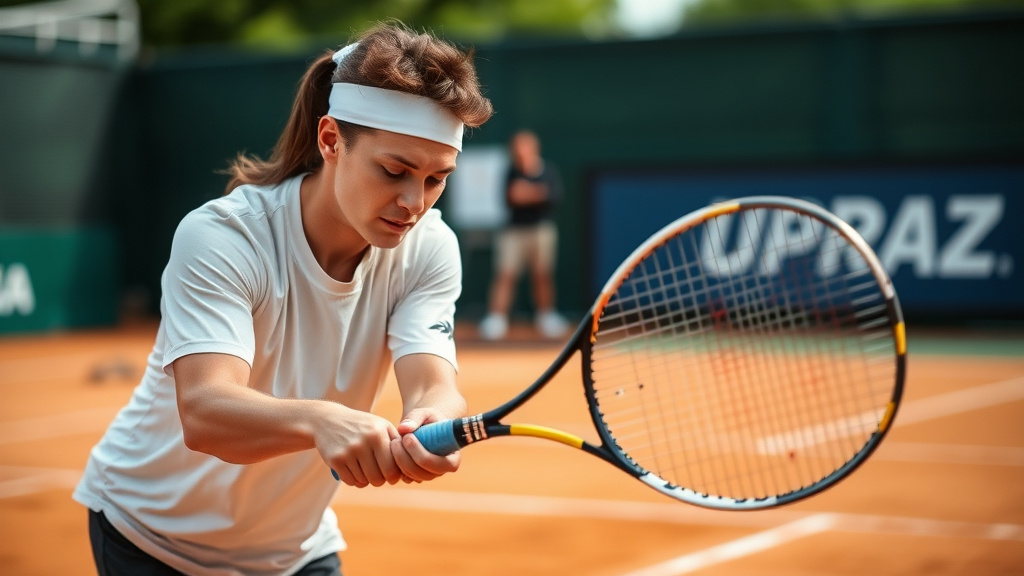
Tennis requires dynamic bursts of power, rapid directional changes, and repetitive motions that put significant pressure on your body. For professional and amateur players in general, injuries can prematurely end promising careers. However, implementing strategic prevention methods—from proper conditioning and technique refinement to strategic training programs and recovery protocols—can substantially lower the risk of injury. This article explores research-backed prevention approaches that enable tennis athletes to maintain peak performance, stay on the court longer, and lengthen their time competing at high levels.
Recognizing Common Tennis Injuries
The Most Widespread Tennis Conditions
Tennis players face a varied collection of ailments stemming from the sport’s rigorous nature. The most prevalent injuries include tennis elbow, a condition impacting the lateral epicondyle of the humerus, and rotator cuff injuries that affect shoulder stability. In addition, ankle sprains, knee ligament injuries, and lower back tension plague athletes at all competitive levels. Recognizing these widespread conditions is critical for creating specific preventive measures that address the distinct vulnerabilities linked to tennis performance and movement patterns.
Repetitive strain injuries dominate the tennis injury landscape, accounting for roughly 70% of all player injuries. Conditions such as patellar tendon inflammation, commonly known as jumper’s knee, and chronic shoulder impingement syndrome develop gradually through repeated strain. These injuries often progress insidiously, with athletes initially experiencing mild discomfort that escalates into significant functional limitations. Timely identification of overuse injury patterns allows for prompt treatment, preventing minor issues from evolving into career-threatening conditions that could sideline players for extended periods.
Key Factors Associated with Tennis Injuries
Several interconnected contributing elements elevate injury risk among tennis players. Inadequate conditioning, especially weak core muscles and flexibility, creates biomechanical vulnerabilities that appear during high-intensity play. Improper technique, particularly improper serve mechanics and inefficient footwork, places excessive forces on vulnerable joints and tissues. Additionally, sudden increases in training load, insufficient recovery periods, and playing on unsuitable surfaces substantially increase injury likelihood, rendering comprehensive understanding of these factors crucial for prevention.
Prior injury and age history meaningfully impact tennis injury risk profiles. Younger players often lack the neuromuscular maturity and body awareness essential to optimal movement patterns, while older players experience declining tissue elasticity and recovery capacity. Athletes with prior injuries encounter increased reinjury risks due to lingering weakness, proprioceptive deficits, and modified movement compensation patterns. Environmental factors, including court surface characteristics, weather conditions, and gear quality, also contribute substantially to injury development, necessitating holistic consideration of all contributing variables.
Effects of Injuries on Athletic Careers
Tennis injuries carry significant consequences stretching far beyond immediate physical impairment. Major injuries often require lengthy breaks from competition, interrupting training development, competitive rankings, and financial earnings for professional athletes. Psychological impacts encompassing anxiety, depression, and reduced self-assurance often accompany physical recovery processes. Furthermore, some injuries create permanent functional limitations, compelling athletes to alter playing styles or prematurely retire from competitive tennis, underscoring the critical importance of proactive injury prevention strategies.
The economic and psychological burden of tennis injuries justifies considerable resources in preventive approaches. Career interruptions affect sponsorship opportunities, tournament earnings, and long-term professional trajectory, particularly for players reliant on competitive income. Beyond monetary factors, the psychological trauma of serious injuries impacts motivation, confidence, and pleasure in competition. Implementing research-backed injury prevention approaches offers a cost-effective approach to protecting athletic careers, preserving competitive opportunities, and ensuring that talented players can maximize their potential throughout prolonged competitive periods.
Key Prevention Methods for Players in Tennis
Establishing broad-based preventive approaches is fundamental to protecting tennis players from injuries that threaten their careers. By addressing the core sources of common tennis injuries—including overuse, flawed mechanics, and inadequate conditioning—athletes can significantly reduce their risk of experiencing debilitating setbacks. The most effective prevention programs integrate several methods tailored to individual player needs, taking into account factors such as age, playing level, and previous injury history. These strategies work in concert to strengthen vulnerable areas and enhance general physical durability.
Effective injury prevention requires commitment from players, coaches, and medical team collaborating closely toward common objectives. Contemporary athletic research has identified specific interventions that measurably lower injury rates while concurrently boosting performance capabilities. From movement assessment to customized workout plans, scientifically-supported prevention strategies empower athletes to safeguard their health. By focusing on prevention over reactive treatment, tennis players can maintain consistent training schedules, avoid rehabilitation periods, and extend longer, more productive careers at competitive levels.
Appropriate Warm-Up and Cool-Down Routines
Preparation and recovery routines form the foundation of any injury prevention program in tennis. A comprehensive warm-up increases body temperature, improves muscle flexibility, and readies the cardiovascular system for strenuous exercise. These preparatory sessions stimulate neural pathways, improving coordination and reaction time while decreasing injury risk. Conversely, cool-down periods enable gradual heart rate decrease and initiate the recovery process. Both components are essential bookends to practice sessions and competitive matches, safeguarding joints and muscles from sudden stress.
The standard of pre-exercise and post-exercise routines plays a key role in injury prevention outcomes and healing speed. Active stretching movements during pre-exercise preparation enhances flexibility and blood flow to working muscles more effectively than static stretching. Post-exercise recovery periods facilitate metabolic waste removal and decrease muscle soreness, speeding up healing. Consistent implementation of these routines creates healthy habits that become integral to player discipline. Tennis athletes who focus on proper warm-up and cool-down protocols experience fewer immediate trauma and chronic conditions, allowing sustained participation in their sport.
- Active stretching enhances flexibility and muscular engagement effectively
- Slow heart rate increase avoids cardiovascular system shock
- Joint mobilization exercises improve range of motion safely
- Walking cooldown reduces dizziness and muscular soreness
- Sustained stretching post-exercise improves long-term flexibility gains
Long-Term Professional Development and Recovery Techniques
Strategic Rest and Dynamic Recovery
Sustained professional longevity in tennis necessitates balancing rigorous workouts with sufficient rest intervals. Professional players ought to include scheduled rest days into their weekly routines, enabling muscles and connective tissues to repair and strengthen. Active recovery techniques, such as light swimming, yoga, and guided stretching routines, improve blood flow without imposing additional stress on vulnerable joints. Periodized training schedules that cycle through intense competitive periods and lower-intensity preparation periods help prevent cumulative fatigue and overuse injuries that could otherwise damage careers.
Recovery goes further than physical rest to encompass sleep optimization and nutritional support. Tennis athletes should prioritize 7-9 hours of quality sleep nightly, as this is when the body produces growth hormone crucial to tissue repair. Adequate fluid intake and a nutritionally complete diet rich in protein, omega-3 fatty acids, and antioxidants facilitate cellular recovery and reduce inflammation. Monitoring sleep patterns and recovery metrics through wearable devices allows players to modify workout intensity based on their body’s actual recovery status rather than fixed training plans.
Continuous Health Monitoring and Adjustment
Periodic evaluations with sports medicine practitioners and physiotherapists are essential for recognizing early warning signs before they turn into serious injuries. Quarterly screening assessments, biomechanical evaluations, and imaging studies help detect compensation patterns or structural alterations that need treatment. Early detection allows for specific corrective training and movement adjustments, stopping minor imbalances from developing into career-threatening conditions. Keeping comprehensive injury records helps medical professionals to recognize patterns and establish preventive strategies customized for each athlete’s individual risk factors.
As players progress in years, coaching strategies must evolve to accommodate changing physiological capacities and recuperation timelines. Veteran athletes thrive with prioritizing quality rather than quantity in training sessions, focusing on skill development and tactical execution rather than high training volume. Incorporating muscle maintenance work and mobility work becomes ever more essential for preserving joint health and functional capacity. Adaptable training methods, alongside readiness to adapt techniques and playing styles, allows seasoned professionals to prolong their playing years while maintaining competitive performance levels.
Psychological Resilience and Injury Prevention Psychological Science
Psychological factors substantially impact injury susceptibility and recovery outcomes in tennis. Athletes facing considerable stress, anxiety, or poor mental health demonstrate increased injury rates due to reduced focus, muscle tension, and compromised decision-making. Establishing mental training initiatives, stress reduction methods, and partnering with sports psychologists helps sustain psychological balance during demanding competitive seasons. Building mental resilience through visualizing success, establishing goals, and mindfulness practices not only boosts competitive results but also creates a protective psychological framework that reduces injury risk.
Developing a strong approach to injury prevention and recovery promotes long-term career longevity. Players who regard injury prevention as essential rather than optional show greater compliance with conditioning and recovery protocols. Creating a supportive team environment where coaches, medical professionals, and trainers collaborate on injury prevention strategies guarantees comprehensive, consistent care. Celebrating incremental progress in physical capability, alongside performance milestones, reinforces the importance of long-term approaches that permit tennis athletes to maintain extended, fulfilling careers at their target competitive level.
