
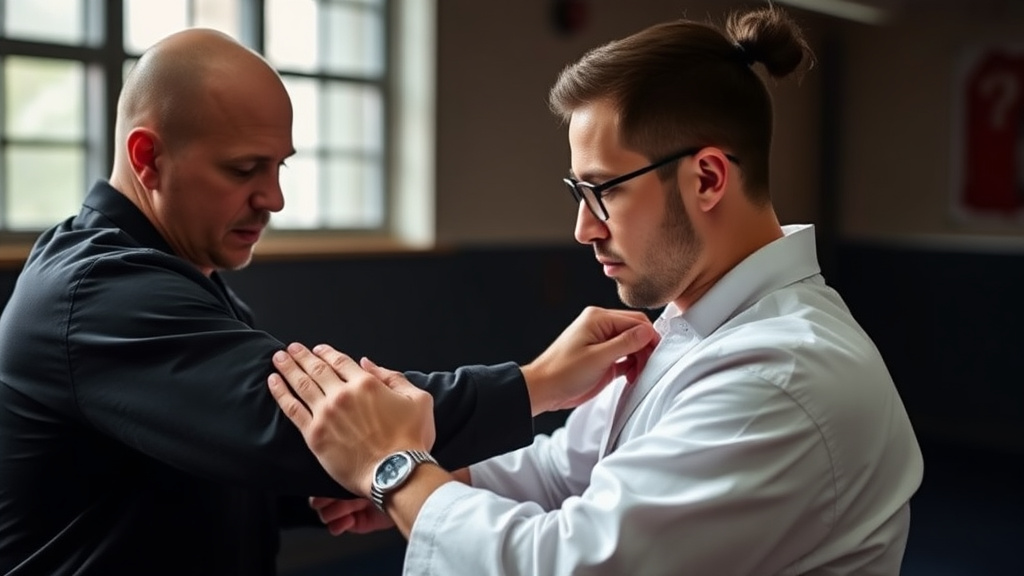
Devastating striking combinations don’t develop without planning—they’re built through purposeful, repeated drills. Heavy bag work form the foundation of developing fluid, powerful strikes that transition seamlessly in real combat situations. This article examines effective methods for designing your pad work sessions to improve precision, muscle memory, and timing. Whether you’re a beginner or advanced fighter, find out how regular training drills transforms isolated techniques into powerful combinations that leave opponents unprepared and dominate the ring.
Foundation of Efficient Pad Work
Learning the Fundamentals
Pad work functions as the connection between isolated technique practice and real-world application in fighting sports. When you pound pads repeatedly, your neuromuscular system begins encoding movement patterns that transform into instinctive responses. This neurological development is essential for developing combinations that flow naturally without conscious thought. The pad holder gives instant feedback, allowing you to fine-tune timing, distance, and power in real-time. This dynamic aspect separates pad work from heavy bag training, making it essential for fighters looking to sharpen their offensive toolkit and build devastating offensive sequences.
The core of efficient pad work rests on proper stance, footwork, and hand positioning. Before attempting intricate sequences, you must build solid fundamentals that allow fluid movements between strikes. Your stance should be stable yet agile, enabling swift weight transfers and weight shifts. Hand positioning controls both striking ability and defensive readiness. When these basics are embedded via drills, your body can execute sophisticated sequences while maintaining proper form. Dedicating effort to foundational drills prevents bad habits from forming and ensures that more complex combinations are built on a reliable base.
The Role of Muscle Memory
Muscle memory is the physiological process where consistent training repetitions builds neural pathways that make movements automatic. During pad work, each practice rep reinforces these pathways, reducing the mental effort needed for combinations. After enough practice cycles, your muscles can execute intricate movement patterns without deliberate control from your brain. This automatic response is essential during real fighting when split-second decisions determine success or failure. By practicing sequences thousands of times, you condition your body to react automatically to openings and opportunities.
Developing reliable muscle memory needs consistent effort and gradual progression in your training. Start with slower, controlled repetitions to maintain proper form, then slowly ramp up speed and intensity. The nervous system needs time to adapt to unfamiliar movement patterns, typically requiring weeks of steady practice. Quality reps outweigh quantity; sloppy, rushed drills entrench poor technique. Each session ought to build on previous work, progressively raising complexity as foundational patterns turn automatic. This systematic approach ensures that your combinations turn into reliable tools you can apply under pressure.
Finding the Ideal Training Partner
Your pad holder substantially impacts the standard and performance of your practice sessions. An skilled pad holder understands timing, positioning, and how to present targets that recreate authentic fight situations. They offer suitable resistance and feedback, assisting you in developing power and accuracy at the same time. A skilled partner modifies pad angles and distances based on your technique, forcing you to increase your reach and improve footwork. They also recognize when your form breaks down, allowing them to offer instructional feedback that quicken advancement. Finding a knowledgeable pad holder transforms your training from mechanical repetition into purposeful skill development.
Interaction between striker and pad holder establishes the optimal training environment for combination development. Before each session, discuss which combinations you’re focusing on and what kind of feedback would help most. The pad holder should watch your mechanics and identify inconsistencies in timing or power delivery. They can also adjust difficulty levels, starting with easier combinations before advancing to competition-level intensity. This team-based approach ensures both partners gain value from the session. A good pad holder becomes a coach, guide, and training partner rolled into one, enhancing your entire combination development.
Building Incremental Composite Patterns
Developing devastating combinations requires a strategic, progressive approach that builds complexity gradually. Start with fundamental two-punch combinations before progressing to three, four, or multiple-strike combinations. This systematic approach allows your nervous system to learn motor patterns effectively, guaranteeing smooth transitions between strikes. Your pad holder proves vital during this phase, offering feedback on timing, distance, and power distribution. Repeated drilling develops both confidence and muscular memory simultaneously.
The key to effective progression is grasping that each stacked element expands on previous fundamentals. Once core techniques occur naturally, incorporate directional shifts, variations in footwork, and defensive techniques. This step-by-step method avoids overloading your motor control capacity while consistently pushing your muscle-nerve coordination. Consistent repetition at each level ensures skill mastery before introducing new elements. Your body adapts faster when progression follows reasonable, structured steps rather than disorganized, arbitrary modifications.
Two and Three Punch Combinations
Double-punch sequences form the fundamental basis for all advanced striking sequences. The jab-cross combination represents boxing’s most fundamental combination, teaching proper weight transfer, hip movement, and hand speed coordination. Master this fundamental technique before progressing to jab-hook or uppercut-cross variations. Your pad holder should stress proper target contact and follow-through technique. Practice at this stage builds the muscle memory patterns necessary for faster, more complex combinations later in your training progression.
Three-punch combinations bring in directional variety and increased complexity while maintaining technical precision. Standard combinations feature jab-cross-hook, jab-hook-cross, and jab-uppercut-cross sequences. Each option necessitates different weight distribution, foot positioning changes, and timing control. Work through these sequences from different positions and ranges to build adaptability. Your training partner can vary target placement to challenge your accuracy and responsiveness. Perfecting three-punch sequences creates a strong foundation for developing powerful four- and five-punch sequences.
- The jab-cross-hook strikes head and body with fluid movement.
- Jab-hook-cross changes angles while preserving forward drive.
- Jab-uppercut-cross combines vertical and horizontal striking planes.
- Cross-hook-cross produces powerful lateral movement and force production.
- Jab-cross-uppercut-hook lengthens sequences with various finishing techniques.
Advanced Drilling Strategies for Expertise
Growing Complexity and Variation
Mastering effective combinations requires systematically increasing exercise intensity as your core techniques solidify. Begin with fundamental double-strike sequences, then steadily incorporate supplementary skills while keeping control and tempo. Introduce directional changes, stance adjustments, and defensive elements to create genuine practical encounters. This step-by-step system stops progress stalls and guarantees ongoing advancement. Rotate your techniques on a weekly basis to challenge muscle memory and stop repetitive fatigue. Advanced practitioners should include variable pad holder responses, forcing adaptive decision-making and instinctive technique adjustments during practical sparring work.
Environmental factors considerably impact drilling effectiveness at advanced levels. Train in various settings—varied light exposure, temperature extremes, and noise levels—to create flexible striking patterns. Practice combinations while fatigued to replicate fight-round conditions where precision deteriorates. Incorporate resistance training alongside pad work to generate powerful power without sacrificing technique. Advanced drills should include partner-driven sequences requiring immediate defensive responses followed by counter-striking sequences. This combined method develops fighters who execute combinations instinctively under pressure, shifting abstract knowledge into practical, battle-tested proficiency.
Mental Training and Visualization
Elite athletes recognize that mastering combinations transcends mere repetition—psychological preparation shapes performance quality in high-pressure moments. Use mental imagery techniques in which you mentally practice combinations with vivid sensory detail before hands-on practice. Develop pre-drill mental routines establishing focus and intention. Experienced fighters can drill combinations while holding conversation, demonstrating automaticity that frees cognitive resources for tactical decision-making. Incorporate pressure testing through competitive drilling scenarios in which combinations must succeed against increasingly skilled resistance. Mental toughness built via intentional mental preparation ensures combinations flow flawlessly when championship moments demand perfection.
Analyzing performance speeds up skill development by providing objective feedback on combination execution. Document your training sessions and watch back the recordings spotting timing inconsistencies, power leaks, and technical breakdowns. Compare your combinations against elite fighters’ footage, examining small positioning changes and rhythm variations. Discuss recorded performances with seasoned coaches who spot patterns not visible during live training. High-level athletes should keep detailed training logs recording variations in combinations, success rates, and technical improvements. This data-driven approach shows which combinations suit your fighting style, physical characteristics, and tactical tendencies, allowing customized training programs that unlock personal potential and competitive edge.
Integration with Operational Application
Moving drills from pad work to real sparring necessitates systematic integration protocols connecting between structured practice and live combat. Initiate training through technical sparring where partners cooperate, allowing combinations to progress without opponent defense. Advance to semi-resistant sparring where opponents partially defend, forcing minor technique modifications. Higher-level training encompasses full-resistance sparring where combinations need to defeat active defense, retaliatory attacks, and distance constraints. This graduated progression increases self-assurance while preventing injury from early full-contact work. Successful integration confirms combinations developed through precise drilling become usable fighting techniques, not disconnected drills disconnected from combat reality.
Championship-level fighters recognize that combination mastery constitutes an ongoing journey rather than achievable destination. Continuously refine existing combinations while building new ones addressing evolving competitive patterns and tactical innovations. Frequently go back to fundamental drilling, solidifying foundational techniques that underpin advanced combinations. Document carefully of combinations that consistently succeed in competition, identifying patterns revealing your signature striking style. Advanced practitioners should guide emerging talent, instructing combination principles while drawing insights from fresh viewpoints. This reciprocal knowledge exchange speeds up group development within training communities, improving overall striking standards and maintaining devastating combinations stay competitive advantages throughout changing combat environments.
